Why Biological Weathering Is Quietly Destroying Your Asphalt Roof (And What You Can Do About It)
Your asphalt shingle roof is one of your home’s most important protective layers — but many homeowners don’t realize that nature doesn’t just weather roofs through rain, sun, or wind. A less obvious but highly destructive threat comes from biological weathering — growth of algae, moss, and lichen that literally deteriorates roofing materials from the surface down.
What Is Biological Weathering?
Biological weathering refers to the breakdown of materials by living organisms. On asphalt roofs, this mostly shows up as:
Gloeocapsa magma algae — a common cyanobacteria that forms dark streaks or patches on shingles
Moss — spongy, moisture‑retaining plant growth
Lichen — a symbiotic combo of algae and fungi that tightly adheres to roof surfaces
These organisms aren’t just cosmetic nuisances — they interact with the materials in your shingles in harmful ways.
How These Organisms Damage Your Roof
1. They Feed on Roofing Materials
Gloeocapsa magma can actually consume the limestone filler and granules in asphalt shingles, weakening the protective layer that shields your roof from the sun and weather.
2. Moisture Gets Trapped
Moss and lichen act like tiny sponges, holding moisture against the roofing surface. That persistent dampness contributes to rot, mold, and accelerated material breakdown — especially in cooler, wetter climates.
3. Heat Absorption Increases
Dark algae absorb heat instead of reflecting it, causing the roof to get hotter. This can lead to thermal stress, contributing to cracking and curl‑up of shingles and higher cooling costs in summer.
4. Aesthetic & Property Value Issues
Even if damage isn’t immediately structural, heavy biological staining makes homes look older and less maintained — hurting curb appeal and potentially lowering resale value.
Why Traditional Cleaning Isn’t Enough
Many homeowners think that washing moss or algae off with a power washer will solve the problem — but that’s not true.
That’s why industry professionals emphasize soft washing with appropriate cleaning solutions, and preventative treatments rather than brute force.
Better Strategies to Protect Your Roof
Here are more effective ways to manage biological weathering:
✔ Soft Washing with Roof‑Safe Solutions
Unlike pressure washing, soft washing uses low‑pressure water and biodegradable cleaners that remove algae, moss, and lichen without risking shingle damage.
✔ Professional Biocidal Treatments
Specialized roof treatments can suppress organic growth — not just remove it — helping to keep your roof cleaner longer and slowing biological weathering.
✔ Zinc or Copper Strips
Installing metal strips near the roof ridge creates runoff that inhibits algae growth naturally over time.
✔ Regular Inspections and Maintenance
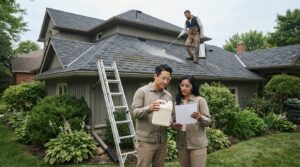
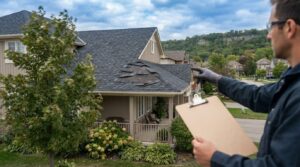
Early signs of biological growth are easier and cheaper to treat than advanced infestations. Seasonal roof checks help you catch problems before they accelerate.
Don’t Ignore It — Biology Eats at Your Roof Over Time
Biological weathering doesn’t announce itself loudly, but its effects accumulate every year:
reduced shingle performance
trapped moisture and rot risk
higher energy bills
potential for more expensive repairs down the road
Instead of waiting until it becomes a crisis, an integrated approach combining safe cleaning with preventative measures gives homeowners the best chance to protect their roof investment.